Tirumala Kalyanam Seva is one of the most sacred and spiritually enriching rituals performed at the world-famous Sri Venkateswara Swamy Temple in Tirumala, Andhra Pradesh. This divine ceremony symbolizes the celestial wedding of Lord Venkateswara with Goddess Padmavathi, and participating in it is considered a blessing of a lifetime.
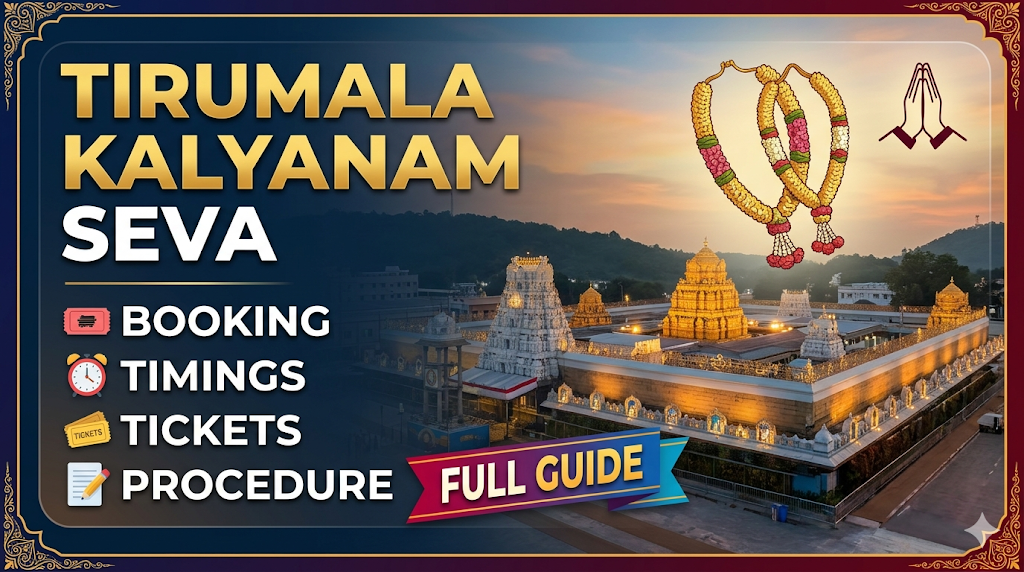
For devotees, this seva represents the ultimate expression of devotion, where they get to witness the divine union of the Supreme Lord and His consort. The temple, nestled in the lush green hills of the Eastern Ghats, attracts millions of pilgrims every year, and Kalyanam Seva holds a special place in their hearts.
The ritual is performed with immense grandeur, following ancient Vedic traditions that have been preserved for centuries. From the early morning preparations to the final blessings, every moment of this seva is filled with spiritual energy and divine vibrations.
In this comprehensive guide, we will explore every aspect of Kalyanam Seva—from its historical significance to practical booking details, helping you understand why this experience is truly once-in-a-lifetime.
Historical Significance of Kalyanam Seva
The origins of Kalyanam Seva trace back to ancient Puranic times. According to sacred texts, Lord Venkateswara, an incarnation of Lord Vishnu, married Goddess Padmavathi, the daughter of King Akasa Raja. This divine wedding took place in the nearby Tiruchanur temple, and the ritual is re-enacted to commemorate this celestial event.
| Historical Aspect | Details |
|---|---|
| Origin Period | Satya Yuga (as per Puranas) |
| First Recorded Performance | Several centuries ago at Tirumala |
| Scriptural References | Varaha Purana, Padma Purana, Skanda Purana |
| Associated Temple | Sri Padmavathi Ammavari Temple, Tiruchanur |
The historical importance of this seva lies in its representation of the divine marriage that established Lord Venkateswara as the supreme deity of Kaliyuga. The ceremony is not merely a ritual but a living tradition that connects devotees with the eternal past.
Historical records indicate that the Kalyanam Seva was performed even during the Vijayanagara Empire period, when the temple received royal patronage. Kings and emperors would sponsor these ceremonies to seek divine blessings for their kingdoms.
The continuity of this tradition for centuries demonstrates the unwavering faith of millions of devotees and the temple administration’s commitment to preserving ancient customs.
Spiritual Importance for Devotees
Participating in Kalyanam Seva is believed to bestow numerous spiritual benefits upon devotees. The ceremony is not just a visual spectacle but a deeply transformative experience that touches the soul.
Key Spiritual Benefits:
- Moksha Prapti: Believed to help attain liberation from the cycle of birth and death
- Marital Bliss: Couples who participate are blessed with harmonious married life
- Prosperity: Financial stability and abundance are sought through this seva
- Removal of Obstacles: Lord Venkateswara is known as the remover of all difficulties
- Fulfillment of Desires: Sincere prayers during the ceremony are said to be answered
The spiritual energy during the Kalyanam Seva is palpable. Devotees often report feeling a profound sense of peace and divine presence that stays with them long after they leave the temple.
The ceremony is particularly significant for:
- Newly married couples seeking blessings
- Couples facing marital difficulties
- Those seeking life partners
- Families desiring prosperity and happiness
The vibrations of Vedic chants, the fragrance of incense, and the sight of the decorated deities create an atmosphere where the boundary between the earthly and divine realms seems to dissolve.
Types of Kalyanam Seva Available
The Tirumala Tirupati Devasthanams (TTD) offers different categories of Kalyanam Seva to accommodate devotees with varying preferences and budgets.
| Seva Type | Timing | Participants Allowed | Key Features |
|---|---|---|---|
| Suprabhata Kalyanam | Early Morning (4:00 AM – 5:00 AM) | Limited devotees | Performed after Suprabhata Seva, intimate setting |
| Archana Kalyanam | Morning Hours | Small group | Includes special archana and decorations |
| Special Kalyanam | As per schedule | Larger gathering | Grand decorations, extended rituals |
| Visesha Kalyanam | Festival occasions | Special invitees | Most elaborate version with full Vedic rituals |
Each type follows the same core ritual structure but varies in scale, duration, and the number of participants allowed. The Suprabhata Kalyanam is considered the most exclusive, as it happens in the serene early morning hours when the temple is relatively quiet.
The Special Kalyanam during festivals like Brahmotsavam attracts thousands of devotees and is performed with extraordinary grandeur. The deities are adorned with precious jewelry and silk garments, making the ceremony visually spectacular.
Devotees should choose the type based on their spiritual goals, budget, and the kind of experience they seek—whether intimate and peaceful or grand and festive.
Booking Process and Registration
Securing a spot for Kalyanam Seva requires advance planning due to high demand. The TTD has streamlined the booking process through both online and offline channels.
Online Booking Steps:
- Visit the official TTD website (tirupatibalaji.ap.gov.in)
- Create a user account with valid mobile number and email
- Navigate to the “Seva Registration” section
- Select “Kalyanam Seva” from the available options
- Choose your preferred date and type of seva
- Enter devotee details (names, age, ID proof numbers)
- Make payment through secure gateway
- Download and print the confirmation receipt
Offline Booking Options:
- Tirumala CRO: Current Booking Office near the temple
- TTD Information Centers: Available in major cities like Hyderabad, Chennai, Bangalore
- Special Counters: During festivals, additional counters are opened
| Booking Tips | Details |
|---|---|
| Advance Period | Book 90-120 days in advance for regular days |
| Festival Booking | Open 6 months prior for Brahmotsavam and other major festivals |
| ID Requirements | Aadhaar Card, PAN Card, or Passport mandatory |
| Quota System | Limited seats per day; lottery system for high-demand periods |
Pro tip: Create your account well in advance and keep your login credentials ready. The booking windows open at specific times, and slots get filled within minutes due to heavy traffic.
Required Documents and Eligibility
To participate in Kalyanam Seva, devotees must meet certain eligibility criteria and carry specific documentation.
Eligibility Criteria:
- Age Limit: Participants must be between 12 and 65 years of age
- Health Condition: Physically fit to sit through the 2-3 hour ceremony
- Dress Code: Traditional Indian attire mandatory (details in next section)
- Booking Validity: Must carry original booking confirmation
Mandatory Documents:
| Document Type | Purpose | Copies Required |
|---|---|---|
| Aadhaar Card | Identity verification | Original + 1 photocopy |
| Booking Receipt | Entry pass to seva hall | Original printout |
| Passport Size Photo | For identification badge | 2 recent photos |
| Marriage Certificate | For couples seeking marital blessings | Original (if applicable) |
Special Considerations:
- Foreign nationals must carry their passport and valid visa
- NRI devotees can book through the special NRI quota
- Senior citizens (above 60) may request seating assistance
- Differently-abled devotees should inform TTD in advance for special arrangements
The temple administration strictly verifies documents to prevent fraudulent entries and ensure that genuine devotees get the opportunity to participate.
Dress Code and Traditional Attire
Maintaining the sanctity of the temple premises requires adherence to a strict dress code. The TTD enforces these rules to preserve the spiritual atmosphere.
For Men:
- Traditional: Dhoti (pancha) with upper cloth (angavastram)
- Alternative: White or cream-colored kurta-pajama
- Prohibited: Shorts, jeans, t-shirts, sleeveless shirts, leather items
For Women:
- Traditional: Saree (preferably silk or cotton in traditional colors)
- Alternative: Half-saree or salwar kameez with dupatta
- Prohibited: Short dresses, skirts above ankle, sleeveless tops, tight-fitting clothes
| Attire Guidelines | Acceptable | Not Acceptable |
|---|---|---|
| Colors | Saffron, white, cream, gold, red, green | Black, neon colors, overly flashy |
| Footwear | Remove before entering; traditional slippers outside | Leather shoes, high heels inside |
| Jewelry | Traditional gold/silver ornaments | Heavy fashion jewelry, excessive accessories |
| Head Covering | Optional for women; men should not cover heads | Caps, hats, bandanas |
Tips for Comfortable Participation:
- Wear cotton fabrics as the ceremony lasts 2-3 hours
- Keep a light shawl for air-conditioned seva halls
- Avoid heavy jewelry that might cause discomfort during prolonged sitting
- Carry a small bag for personal items (phones must be switched off)
The dress code is strictly enforced at the entry point. Devotees not following the code may be denied entry without refund.
Seva Timings and Daily Schedule
Understanding the schedule helps devotees plan their visit effectively and maximize their spiritual experience.
Typical Daily Kalyanam Seva Schedule:
| Time | Activity | Location |
|---|---|---|
| 3:30 AM | Temple doors open | Main entrance |
| 4:00 AM | Suprabhata Seva begins | Garbha Gruha |
| 4:30 AM | Kalyanam Seva preparations start | Kalyana Mandapam |
| 5:00 AM | Devotees assembly and seating | Seva Hall |
| 5:30 AM | Main Kalyanam ritual begins | Kalyana Mandapam |
| 7:00 AM | Manga Harathi and blessings | Seva Hall |
| 7:30 AM | Prasadam distribution | Exit area |
| 8:00 AM | Seva concludes | — |
Seasonal Variations:
- Summer (March-June): Seva may start 30 minutes earlier
- Winter (November-February): Timings remain standard
- Brahmotsavam: Special extended Kalyanam with additional rituals
- Kartika Masam: Daily Kalyanam performed with extra decorations
Important Notes:
- Devotees should arrive at least 1 hour before the scheduled time
- Late entries are generally not permitted once the ritual begins
- The entire ceremony lasts approximately 2 to 2.5 hours
- After the seva, devotees can join the regular darshan queue
The schedule is subject to change during special occasions, so always verify timings on the day of your visit through the temple information boards or TTD officials.
Rituals Performed During Kalyanam Seva
The Kalyanam Seva follows a meticulously structured sequence of Vedic rituals, each carrying deep symbolic meaning.
Step-by-Step Ritual Process:
- Ganapati Puja: Invocation of Lord Ganesha to remove obstacles
- Punyahavachanam: Purification ceremony for the venue and participants
- Rakshabandhanam: Sacred thread tying for protection
- Maha Sankalpam: Declaration of the purpose and intent of the seva
- Kanya Agamanam: Welcoming the bride (Goddess Padmavathi) with traditional honors
- Vara Agamanam: Welcoming the groom (Lord Venkateswara)
- Malai Matral: Exchange of garlands between the divine couple
- Kanya Danam: Giving away of the bride by her parents (symbolically)
- Mangalya Dharanam: Tying the sacred mangalsutra (the most auspicious moment)
- Saptapadi: The seven steps around the sacred fire
- Homa: Fire ritual for purification and blessings
- Maha Mangala Harathi: Grand arathi with camphor and incense
- Ashirvachanam: Blessings by the priests
- Teertha Prasadam: Distribution of sanctified offerings
| Key Ritual | Significance | Duration |
|---|---|---|
| Mangalya Dharanam | Most sacred moment; represents divine union | 10 minutes |
| Saptapadi | Seven vows of marriage | 15 minutes |
| Homa | Purification through sacred fire | 30 minutes |
| Maha Harathi | Final blessings and conclusion | 10 minutes |
The priests chant Vedic mantras throughout the ceremony, creating a powerful spiritual atmosphere. The combination of fire, water, flowers, and sacred chants makes this an unforgettable experience.
Prasadam and Special Offerings
One of the highlights of Kalyanam Seva is receiving the specially prepared prasadam, which is considered extremely auspicious.
Types of Prasadam Distributed:
| Prasadam Item | Ingredients | Significance |
|---|---|---|
| Kalyanam Laddu | Besan, ghee, sugar, cardamom | Main offering; represents sweetness of divine union |
| Vada | Urad dal, pepper, curry leaves | Savory item; symbolizes completeness |
| Pulihora | Rice, tamarind, turmeric | Represents prosperity and good fortune |
| Daddojanam | Curd rice | Cooling prasadam for digestive balance |
| Teertham | Sacred water with tulsi leaves | Purification and blessings |
Special Offerings Devotees Can Make:
- Kalyanam Vastram: Silk clothes for the divine couple (can be sponsored)
- Flower Decorations: Jasmine, marigold, and lotus arrangements
- Jewelry Offerings: Small gold or silver items for the deities
- Annadanam: Sponsoring meals for fellow devotees
Prasadam Collection Tips:
- Carry a clean cloth or small bag to collect prasadam
- The main laddu is usually large (approximately 250-300 grams)
- Handle with care as the laddus are delicate
- Consume or store prasadam respectfully; never waste it
The prasadam is prepared in the temple’s sacred kitchen (potu) following strict hygiene and traditional methods. It is believed that consuming this prasadam removes sins and brings good fortune.
Accommodation Options Near the Temple
For devotees participating in early morning Kalyanam Seva, staying close to the temple is essential.
TTD-Provided Accommodation:
| Type | Location | Price Range | Booking |
|---|---|---|---|
| Sri Venkateswara Guest House | Near temple | ₹500-₹2,000 | Online/Offline |
| PWD Rest House | Tirumala | ₹300-₹800 | Current booking |
| TTD Kalyana Mandapams | Various locations | ₹100-₹500 | Advance booking |
| Donor Complex Rooms | Tirumala | ₹1,000-₹3,000 | Special quota |
Private Hotels in Tirumala:
- Budget Options: ₹1,500-₹3,000 per night
- Mid-Range Hotels: ₹3,000-₹6,000 per night
- Luxury Resorts: ₹8,000+ per night (mostly in Tirupati)
Tirupati Options (Lower Hills):
- More economical compared to Tirumala
- Free bus service (APSRTC) operates every few minutes
- Travel time: 45 minutes to 1 hour uphill
Accommodation Tips:
- Book TTD accommodation at least 60 days in advance
- Carry booking confirmation and ID proof
- Check-in time is usually 24 hours from booking time
- Rooms are allotted on a first-come-first-served basis for current bookings
Staying in Tirumala allows you to participate in the Suprabhata Kalyanam without worrying about transportation in the early morning hours.
Transportation and How to Reach
Reaching Tirumala for Kalyanam Seva requires planning, especially considering the early morning timings.
By Air:
| Airport | Distance | Connectivity |
|---|---|---|
| Tirupati Airport (TIR) | 40 km from Tirumala | Direct flights from Hyderabad, Chennai, Bangalore |
| Chennai International | 150 km | Major international hub; 3-hour drive |
By Train:
- Tirupati Railway Station: Main junction; well-connected to all major cities
- Renigunta Junction: 15 km from Tirupati; some express trains stop here
- From station to Tirumala: APSRTC buses, taxis, or private vehicles
By Road:
- Ghat Road: Two well-maintained routes from Tirupati to Tirumala
- Alipiri Route: 18 km with 7 hairpin bends; preferred for buses
- Srivari Mettu: Pedestrian path for those who wish to walk (approximately 3,500 steps)
Transportation Within Tirumala:
| Mode | Availability | Cost |
|---|---|---|
| Free TTD Buses | Every 10 minutes | Free |
| Private Taxis | Available 24/7 | ₹300-₹500 per trip |
| Shared Autos | Limited | ₹50-₹100 per person |
| Walking | Most areas accessible | Free |
Special Tips for Kalyanam Seva Day:
- If staying in Tirupati, leave by 2:30 AM to reach on time
- APSRTC operates special early morning buses for seva participants
- Two-wheeler parking is available near the temple complex
- Battery-operated vehicles available for senior citizens
Best Time to Attend Kalyanam Seva
While Kalyanam Seva is performed throughout the year, certain periods offer enhanced spiritual experiences.
Auspicious Months:
| Month | Significance | Special Features |
|---|---|---|
| Kartika Masam (Oct-Nov) | Most sacred month | Daily Kalyanam with special decorations |
| Margasira (Nov-Dec) | Adi Shankaracharya’s tradition | Extended rituals and discourses |
| Pousha (Dec-Jan) | Winter solstice period | Pleasant weather, peaceful atmosphere |
| Chaitra (Mar-Apr) | New Year in Hindu calendar | Special new year blessings |
Festival Periods:
- Brahmotsavam (September-October): The most grand Kalyanam celebration
- Vaikunta Ekadasi (December-January): Special access and blessings
- Ratha Saptami (January-February): Sun god’s blessings included
- Ugadi (March-April): New year special Kalyanam
Seasonal Considerations:
| Season | Pros | Cons |
|---|---|---|
| Summer | Less crowded, easy accommodation | Hot weather (35-40°C) |
| Monsoon | Green surroundings, pleasant | Ghat road may be slippery |
| Winter | Best weather, peak spiritual energy | Heavy crowds, advance booking essential |
Crowd Analysis:
- Least Crowded: Tuesday and Wednesday mornings
- Moderate Crowd: Monday and Thursday
- Peak Crowd: Friday, Saturday, Sunday, and festival days
For the most serene experience, plan your visit during Kartika Masam on a weekday. The combination of sacred timing and fewer crowds creates an ideal spiritual atmosphere.
Costs and Donation Structure
Understanding the financial aspects helps devotees plan their pilgrimage without surprises.
Kalyanam Seva Ticket Costs:
| Seva Type | Ticket Price | Number of Participants |
|---|---|---|
| Regular Kalyanam | ₹500-₹1,000 per person | 1 devotee per ticket |
| Special Kalyanam | ₹2,500-₹5,000 | Includes family members (up to 4) |
| Suprabhata Kalyanam | ₹10,000+ | Premium experience, limited seats |
| Festival Special | ₹5,000-₹15,000 | Varies based on occasion |
Additional Costs to Consider:
- Accommodation: ₹500-₹5,000 per night
- Transportation: ₹200-₹2,000 depending on mode
- Special Darshan: ₹300 (if planning additional darshan after seva)
- Prasadam Extras: ₹100-₹500 for additional laddus
- Donations: Voluntary; hundi collections or specific endowments
Donation Opportunities:
| Endowment Type | Amount | Benefits |
|---|---|---|
| Kalyanam Trust | ₹10,000+ | Name inscribed, annual prasadam |
| Nitya Kalyanam | ₹1,00,000+ | Permanent recognition, special darshan privileges |
| Annadanam Scheme | ₹5,000+ | Feed devotees, immense punya |
Money-Saving Tips:
- Book TTD accommodation for the most economical stay
- Use free TTD buses instead of private taxis
- Carry your own water bottle (free refills available)
- Avoid middlemen for bookings—use official TTD channels only
Rules and Regulations to Follow
The TTD maintains strict discipline to ensure the sanctity of the Kalyanam Seva and safety of all participants.
Code of Conduct:
- Silence: Maintain silence during rituals; whisper if necessary
- Mobile Phones: Strictly prohibited inside the seva hall; must be switched off
- Photography: No cameras or phones allowed for photography
- Seating: Sit in assigned places; do not move around during the ceremony
- Attention: Stay focused on the rituals; avoid casual conversations
Prohibited Items:
| Category | Specific Items |
|---|---|
| Electronics | Mobile phones, cameras, tablets, smart watches |
| Leather | Belts, wallets, bags, shoes |
| Food | Outside food, packaged snacks |
| Other | Tobacco, alcohol, intoxicants, weapons |
Behavioral Guidelines:
- Do not touch the priests or ritual items
- Follow instructions from TTD volunteers and security staff
- Children must be supervised at all times
- Do not rush for prasadam; wait for your turn patiently
- Maintain personal hygiene and cleanliness
Consequences of Violation:
- Immediate removal from the seva hall
- Ban from future seva participation
- Legal action for serious violations
- No refund for ejected participants
The rules may seem strict, but they ensure that the spiritual atmosphere remains undisturbed for all devotees. Respect for the tradition is paramount.
Photography and Mobile Phone Policies
Understanding the technology policies is crucial to avoid disappointment or penalties.
Strict Prohibition Policy:
| Area | Mobile Policy | Camera Policy |
|---|---|---|
| Kalyanam Seva Hall | Completely banned | Completely banned |
| Garbha Gruha vicinity | Banned | Banned |
| Temple Outer Corridors | Allowed (silent mode) | Allowed (no flash) |
| Queue Complexes | Allowed | Allowed |
Why the Strict Policy?
- Preserves spiritual focus and prevents distractions
- Protects ancient wall paintings and structures from flash damage
- Maintains security and privacy of the deities
- Prevents commercial misuse of temple images
Storage Facilities:
- Free mobile phone lockers available near the entrance
- Paid cloakrooms for bags and cameras
- TTD volunteers assist with safe storage
Alternatives for Memories:
- Official TTD photographs available for purchase after the seva
- Professional photographers authorized by TTD capture key moments
- Souvenir shops sell authorized images of the deities
Tips for Compliance:
- Leave phones in your hotel room or vehicle
- Inform family members about your unavailability during the seva
- Carry a traditional watch to keep track of time
- If you must carry for emergencies, deposit in lockers before entering
The no-phone policy, while inconvenient for some, ultimately enhances the spiritual experience by allowing complete immersion in the divine atmosphere.
What to Expect During the Ceremony
Knowing what happens during the Kalyanam Seva helps devotees prepare mentally and emotionally.
Pre-Ceremony Experience:
- Arrive at the designated gate 1 hour before the scheduled time
- Security check and document verification
- Seating arrangement in the Kalyana Mandapam
- Briefing by priests about the ceremony protocol
- Distribution of required items (if any)
During the Ceremony:
| Phase | What Happens | Devotee’s Role |
|---|---|---|
| Opening | Ganapati Puja and invocations | Sit quietly, observe, pray |
| Main Ritual | Mangalya Dharanam, Saptapadi | Witness with devotion, mentally participate |
| Homa | Sacred fire ritual | Offer prayers into the fire mentally |
| Harathi | Grand camphor arathi | Stand respectfully, receive blessings |
| Conclusion | Ashirvachanam and prasadam | Receive prasadam with both hands |
Physical Environment:
- The hall is usually air-conditioned or well-ventilated
- Incense and smoke from homa may cause mild discomfort for sensitive individuals
- Seating is on the floor with mats provided
- The ceremony involves bell sounds, chanting, and occasional loud mantras
Emotional Experience:
- Many devotees feel overwhelming peace and joy
- Some experience tears of devotion spontaneously
- The energy of collective prayer creates a powerful atmosphere
- The Mangalya Dharanam moment is particularly emotional
Post-Ceremony:
- Exit in an orderly manner
- Collect prasadam at the designated point
- Optional: Proceed for regular darshan if time permits
- Many devotees spend time in meditation in the temple corridors
Health and Safety Guidelines
Ensuring physical well-being is essential for fully experiencing the spiritual benefits.
Physical Preparation:
| Aspect | Recommendation | Reason |
|---|---|---|
| Sleep | At least 4-5 hours before early morning seva | Alertness during rituals |
| Food | Light meal 2 hours before; avoid heavy breakfast | Comfort during 2-3 hour sitting |
| Hydration | Drink water before entering; limited breaks during seva | Dehydration prevention |
| Clothing | Comfortable traditional wear | Ease of sitting cross-legged |
Health Considerations:
- Respiratory Issues: The homa smoke may trigger asthma; carry inhaler if needed
- Joint Problems: Inform volunteers for seating assistance or backrest
- Diabetes: Carry sugar tablets; inform companions about your condition
- Pregnancy: Consult doctor before attending; avoid crowded periods
Safety Measures:
- Keep emergency contact numbers handy
- TTD has medical facilities near the temple complex
- First aid centers available at multiple points
- In case of emergency, alert the nearest volunteer immediately
Post-Seva Care:
- Rest for a while before undertaking strenuous activities
- Drink plenty of water after the ceremony
- If feeling dizzy after the homa smoke exposure, get fresh air
- Avoid immediate heavy meals; start with light food
COVID-19 and Health Protocols:
- Follow current TTD health guidelines (mask requirements if applicable)
- Sanitize hands before consuming prasadam
- Maintain social distancing in queues if mandated
Special Provisions for Senior Citizens and Differently-Abled
The TTD has made significant efforts to make Kalyanam Seva accessible to all devotees.
For Senior Citizens (60+ Years):
| Facility | Details | How to Avail |
|---|---|---|
| Priority Seating | Front rows with backrests | Request at entry point |
| Wheelchair Assistance | Available at seva hall | Book in advance or request on arrival |
| Special Entry | Separate queue to avoid standing | Show age proof at special counter |
| Medical Support | Oxygen cylinders available nearby | Inform volunteers of any condition |
For Differently-Abled Devotees:
- Ramps: Wheelchair-accessible entry to the seva hall
- Reserved Seating: Designated areas with easy access
- Attendant Allowance: One attendant allowed free of charge
- Accessible Restrooms: Available near the temple complex
For Pregnant Women:
- Special seating with extra cushioning
- Priority in prasadam distribution
- Easy access to exits if feeling uncomfortable
- Recommendation: Attend during less crowded periods
Booking Provisions:
- 10% quota reserved for senior citizens in seva bookings
- Differently-abled devotees can book through special counters
- Companion tickets available at concessional rates
Tips for Caregivers:
- Carry necessary medications and medical history
- Inform TTD staff about specific needs in advance
- Plan for rest periods before and after the ceremony
- Use the battery-operated vehicle service within the temple complex
The temple administration continuously works to improve accessibility, ensuring that physical limitations do not prevent anyone from receiving divine blessings.
Nearby Temples and Additional Pilgrimage
A visit to Tirumala can be combined with other significant temples in the region for a complete spiritual journey.
Must-Visit Nearby Temples:
| Temple | Location | Distance from Tirumala | Significance |
|---|---|---|---|
| Sri Padmavathi Ammavari Temple | Tiruchanur | 5 km from Tirupati | Goddess Padmavathi’s main temple; where the divine wedding occurred |
| Sri Govindaraja Swamy Temple | Tirupati | 1 km from Tirupati railway station | Ancient temple; Lord Vishnu in reclining posture |
| Sri Kapileswara Swamy Temple | Tirupati | 3 km from Tirupati | Lord Shiva temple; sacred waterfall |
| Sri Kalyana Venkateswara Swamy | Srinivasa Mangapuram | 12 km from Tirupati | Where Lord stayed after marriage |
| Sri Varahaswami Temple | Tirumala | Adjacent to main temple | Lord Varaha; original deity of the hill |
Suggested Pilgrimage Itinerary:
Day 1:
- Morning: Kalyanam Seva at Tirumala
- Afternoon: Main temple darshan
- Evening: Visit Varahaswami Temple
Day 2:
- Morning: Padmavathi Temple at Tiruchanur
- Afternoon: Govindaraja Swamy Temple
- Evening: Kapileswara Swamy Temple
Combined Seva Opportunities:
| Combined Seva | Temples | Booking |
|---|---|---|
| Kalyanam + Darshan | Tirumala main temple | Single booking available |
| Tiruchanur Kalyanam | Padmavathi Temple | Separate booking required |
| Srinivasa Mangapuram | Kalyana Venkateswara | Special abhishekam available |
Transportation Between Temples:
- TTD operates free buses connecting major temples
- Private taxis charge ₹500-₹1,000 for full-day temple visits
- Auto-rickshaws available for short distances
Completing the circuit of these temples is believed to fulfill the complete spiritual purpose of the Tirumala pilgrimage.
Frequently Asked Questions (FAQs)
Q1: Can I book Kalyanam Seva for someone else?
Yes, you can book on behalf of family members, but they must carry their original ID proofs. The booking name should match the participant’s documents.
Q2: Is there any age restriction for children?
Children below 12 years are generally not allowed in the seva hall due to duration and discipline requirements. However, infants may be allowed with special permission.
Q3: Can I cancel or reschedule my booking?
TTD allows cancellation with partial refund if done 48 hours in advance. Rescheduling depends on availability and may require additional charges.
Q4: What if I miss my scheduled Kalyanam Seva?
Late arrivals are not accommodated. You may request a refund (subject to rules) or book again for another date. No adjustment for same-day late arrival.
Q5: Are there any food restrictions before the seva?
While not mandatory, devotees traditionally observe fasting or eat light sattvic food before participating. Avoid non-vegetarian food and alcohol at least 24 hours prior.
Q6: Can foreigners participate in Kalyanam Seva?
Absolutely. Foreign nationals are welcome. They need to carry their passport and valid visa. Booking process is the same, though NRI quota may apply.
Q7: How long does the entire experience take?
From arrival to prasadam collection, plan for 3-4 hours. The actual ritual is 2-2.5 hours, but include time for security checks and seating.
Q8: Is there a dress code for children?
Yes, children should also wear traditional attire. Boys in dhoti/kurta and girls in traditional dresses or salwar kameez.
Q9: Can I donate additional money during the seva?
Yes, donations can be made to the hundi or specific endowments. However, maintain decorum and do not disrupt the ceremony.
Q10: What makes Kalyanam Seva different from regular darshan?
Regular darshan is a quick viewing of the deity (seconds to minutes). Kalyanam Seva is a 2+ hour immersive ritual where you participate in the divine wedding ceremony